Brochure & Flyer Design in Kolkata: A Practical Guide
By Alex Morgan · Published · Updated · 3 minutes read
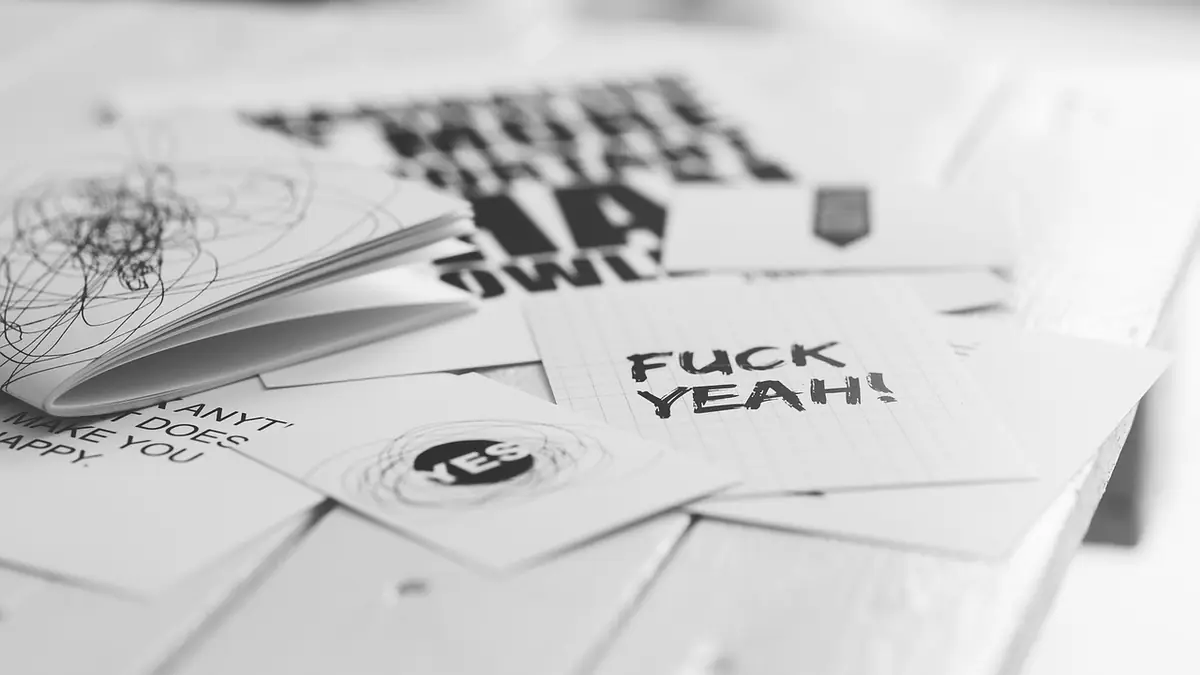
Brochure and flyer design in Kolkata sits in an odd spot: demand is steady, prices vary wildly, and the gap between a cheap file and a print-ready one only shows up at the press. A four-page A4 brochure typically runs ₹8,000–₹25,000 from a studio, while a single-sided flyer can be ₹1,500–₹5,000.
This guide covers formats, realistic budgets, what to look for in a portfolio, and the print details that decide whether your piece looks sharp or amateur on paper.
Which Format Fits Your Goal
Format should follow the job, not the budget. A single A5 flyer (148×210 mm) suits a weekend offer, a clinic opening, or a trade-fair handout—cheap to print and fast to read. A tri-fold A4 works for service menus and rate cards because it gives six panels without the cost of binding. Saddle-stitched booklets (8–16 pages) only pay off when you have enough content to justify them.
In Kolkata, most small businesses overreach here. A 12-page brochure with thin content reads worse than a tight four-pager. Decide the single action you want—call, visit, scan a QR code—and choose the format that carries it with the least paper.
Print runs matter too. Digital printing stays economical up to roughly 500 copies; beyond that, offset usually wins on unit cost, but only if your artwork is set up correctly from the start.
- A5 flyer: single promo or event, 1–2 sides
- Tri-fold A4: services, tariffs, menus
- 4-page A4: company profile or product line
- Saddle-stitched 8–16 pages: catalogues and detailed proposals
What Design Work Actually Involves
A proper brochure job is not just layout. It starts with a content audit: which services, which proof points, which contact details, in what order. Then comes the grid, type hierarchy, image selection or retouching, and a print-ready export with bleed, crop marks, and correct colour mode.
Expect two or three revision rounds. Anything beyond that usually signals a brief problem, not a designer problem. Supply your logo as vector (AI, EPS, or SVG), your text as an editable document, and images at 300 DPI at final size.
Ask early whether the quote includes print coordination. Many Kolkata studios will handle the press check and paper selection for a small add-on, which saves you from discovering a colour shift after 1,000 copies are printed.
Reading a Portfolio Properly
Portfolio images on a screen hide the things that matter. Ask for photographs of printed samples, or better, hold them. Check body text at actual size—if you squint, the point size is too small. Look at margins: consistent, generous margins signal discipline; cramped edges signal a designer fighting the page.
Check hierarchy. Can you tell in two seconds what the piece is selling? Look at how they handle long paragraphs, bullet lists, and contact blocks. A portfolio full of posters but no brochures tells you little about multi-page layout skills.
Finally, ask who does the work. In Kolkata it is common for a senior designer to pitch and a junior to execute. That is fine if briefed well, but you should know.
- Request printed samples, not just JPEGs
- Check body text size at 100% scale
- Look for consistent margins and alignment
- Confirm who will actually design your file
Paper, Finish, and Print Realities
Paper choice changes perceived quality more than most design decisions. For flyers, 130–170 GSM art paper is standard; 250–300 GSM gives a premium feel for invitations and menus. Brochure covers usually sit at 250–300 GSM with 130–170 GSM inner pages.
Finish options: matte lamination reduces glare and fingerprints; spot UV adds contrast on covers; soft-touch lamination feels expensive but scuffs. Foil stamping is best reserved for low-quantity, high-value pieces.
Colour is the usual trouble spot. Design in CMYK, not RGB, and ask for a proof if brand colours are tight. Deep blues and oranges shift most on uncoated stock. If print cost is a concern, it is worth reading our brochure design cost guide before you finalise specs.
Budget Ranges in Kolkata
Design fees vary by studio size and complexity. Freelancers tend to sit at the lower end; agencies charge more but usually include copy support, print liaison, and a formal revision process. Printing is quoted separately and depends on paper, finish, and quantity.
As a rule of thumb, keep total production (design plus print) within 5–10% of the campaign value the piece is meant to generate. A ₹40,000 brochure for a ₹2 lakh campaign is reasonable; the same brochure for a one-off event usually is not.
If you are weighing design spend against other channels, our breakdown of website redesign cost offers a useful comparison of where print and digital budgets typically land.
| Format | Typical design fee (₹) | Common paper (GSM) | Print run sweet spot | Best for |
|---|---|---|---|---|
| A5 flyer, 1 side | 1,500–3,500 | 130–170 | 500–2,000 | Offers, events, handouts |
| A5 flyer, 2 sides | 2,500–5,000 | 170–250 | 500–2,000 | Service promos with contact block |
| Tri-fold A4 | 5,000–12,000 | 170–250 | 500–1,500 | Menus, tariffs, service guides |
| 4-page A4 brochure | 8,000–25,000 | Cover 250–300, inner 130–170 | 250–1,000 | Company profile, product line |
| 8–12 page booklet | 20,000–60,000 | Cover 300, inner 150 | 250–500 | Catalogues, detailed proposals |
Common Mistakes That Cost Money
The most expensive mistake is designing before the copy is final. Reflowing text after layout approval doubles timelines. The second is skipping bleed: a 3 mm bleed on every edge is standard, and without it, trimming leaves white slivers.
Third is font licensing. A free-for-personal-use font in a commercial brochure is a legal risk; use open-licence families or buy the licence. Fourth is embedding images at screen resolution—72 DPI looks fine on a monitor and terrible in print.
Lastly, do not skip the physical proof. Sign off on a printed proof, not a PDF, for anything above 500 copies.
- Finalise copy before layout begins
- Always include 3 mm bleed
- License every font used commercially
- Supply images at 300 DPI at final size
- Approve a printed proof for large runs
- Match format to a single clear action before discussing price; most pieces are too long, not too short.
- Design fees in Kolkata range from about ₹1,500 for a simple flyer to ₹60,000 for a multi-page booklet; printing is separate.
- Ask for printed portfolio samples and check body text at 100% scale—screen images hide typography problems.
- Finalise copy, fonts, and image resolution before layout; these three cause most reprints and delays.
Alex Morgan is the editor at CreatickWeb with over a decade of experience in web design and digital marketing. He focuses on practical advice for small businesses and agencies, helping them navigate the digital landscape. Alex oversees all content to ensure it is accurate, actionable, and up-to-date.